
You could do everything right and still lose the job or your freedom in a single moment. That moment happens at the collection window. If the urine is just a little cold, too clear, or chemically “off,” the test can be flagged.
If you’re researching TestClear’s powdered urine because the stakes are high for you, I understand why you’re nervous. You want facts, not hype. You want to know if it works, how to heat it correctly, and what real buyers say—so you don’t make a mistake when it counts. Can you keep the temperature steady?
Will it look and test like the real thing? And when is this approach a bad fit entirely? Let’s answer those questions, carefully and candidly.
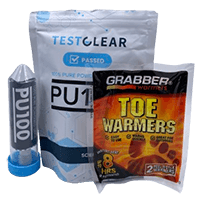
- Made from real dehydrated human urine
- Includes all essential natural urine markers
- Highly realistic and lab-accurate results
- Trusted by professionals and researchers
What this guide answers for readers comparing TestClear urine today
Here’s the promise. You’ll get an objective review of the TestClear urine simulation with powdered urine kit and related test clear urine products. We’ll walk through what’s in the kit, what clinics and labs actually check, how heating works in practice, why people report passes and fails, what it costs, and how to buy without getting a dud. If you’ve searched for phrases like “test clear powdered urine reviews,” “does test clear powdered urine work,” or “how to use test clear powdered urine,” this is built for you.
We’re a community-focused organization that cares about consumer education and legal awareness. We do not encourage or endorse illegal test evasion. Laws, employer policies, and test procedures vary by state and by situation. Outcomes depend on the kind of collection (unobserved versus observed), your local rules, and your execution—mixing, temperature, and volume. You’ll get a calm, step-by-step approach anchored in published instructions, industry standards, and consistent buyer reports. We’ll also share a realistic, training-style example from our outreach work to help you understand heater timing and temperature strips without hype.
The short version on effectiveness
Readers under stress often need the quick answer first. Here it is. Many users report that TestClear powdered urine works for unobserved employment-style urine screens when it’s mixed correctly, fully dissolved, and kept within about ninety to one hundred degrees Fahrenheit at handoff. The biggest pass driver is temperature control. Second is correct mixing and volume. The most common fail causes are samples that arrive too cold or too hot, over-dilution from adding too much water, supervised collections, or advanced adulteration checks that catch mistakes.
The most credible success stories are unobserved pre-employment or random workplace screens. This approach is not suitable for DOT-regulated or court-ordered observed tests. The bottom line: it can work, but it is never guaranteed. Legal and policy risks are real and depend on your state and the test sponsor.
- Made from real dehydrated human urine
- Includes all essential natural urine markers
- Highly realistic and lab-accurate results
- Trusted by professionals and researchers
How clinics judge a urine specimen early on
Knowing what the collector looks for helps you understand what the product needs to match. In the first minutes, collection sites usually check:
Temperature window. Staff commonly verify that the specimen falls in a narrow acceptable range, often between ninety and one hundred degrees Fahrenheit within a few minutes of collection. This shows the sample is fresh from the body.
Visual cues. Color should look like natural urine—light to medium yellow—and the liquid should be clear of visible particles or undissolved powder. Excess foam or odd cloudiness can raise suspicion.
Validity markers. Labs often confirm creatinine, specific gravity, and pH. These help detect over-dilution or fluids that are not consistent with human urine.
Urine constituents. The presence of urea and uric acid, plus an ionic balance that resembles natural urine, supports authenticity.
Volume. Collection sites typically expect at least forty-five milliliters. Many kits supply a fifty milliliter vial on purpose.
Chain of custody. Regulated, government, or court settings follow stricter rules and sometimes observed collections, which change everything about risk.
What is in the TestClear kit and what each part does
Most TestClear urine simulation kits include:
- Pre-measured powdered urine
- A fifty milliliter transport vial with a secure cap
- A temperature strip to monitor the range
- Two air-activated heaters
Powder has real advantages. It stores easily, has a long shelf life, and avoids the spill and bacterial growth risks of liquid. The temperature strip helps you verify that you’re inside the acceptable window at handoff. The small heaters bring the sample up to range and help hold it there for a period of time. Some buyers add options like a privacy belt, a digital thermometer, spare heaters, or an extra vial. Pricing in recent reviews typically sits around sixty to seventy dollars, and you may also see the description “dehydrated urine kit.” Powder gives you better control over mixing and temperature compared with pre-mixed bottles.
Is this real urine or synthetic and why that matters
People ask two versions of the same question: is testclear real urine or synthetic urine test clear? Marketing language differs by source. Some places describe the powder as dehydrated human urine. Others call it a synthetic replica. Either way, the target is the same: match the markers labs expect—urea, uric acid, creatinine, natural salts, and a pH and specific gravity that sit in the normal human range.
Why do buyers care? Some fear that “synthetic” products are easier to detect. In practice, quality control matters more than the label. Also note the legal nuance. Some states regulate synthetic urine specifically. But using any substitute to defraud a drug test can still be illegal. Focus on whether the kit reliably matches lab markers and temperature and know your local laws before you buy or use anything. This is general information, not legal advice.
How ingredients map to common validity checks
To understand the design, connect each component to the lab metric it supports.
| Component | Why it is there | What it helps match |
|---|---|---|
| Urea | Major waste product in urine | Overall chemical profile and odor realism |
| Uric acid | Natural byproduct of purine metabolism | Authenticity checks used by some labs |
| Creatinine | Marker of muscle metabolism | Dilution screening and validity checks |
| Sodium and potassium salts | Electrolytes in normal urine | Specific gravity and ionic balance |
| Phosphate or citrate buffers | Stabilize acidity | pH in the mild-acid range typical of urine |
| Purified water | Solvent without tap contaminants | Avoids chlorine and minerals that can distort readings |
| Optional ammonium salts | Sometimes included for odor or acidity realism | May influence pH and scent |
The key is not just having these ingredients—it is having them in reasonable ranges. If the solution is way too watery or too alkaline, the lab can flag the sample as invalid or adulterated.
- Made from real dehydrated human urine
- Includes all essential natural urine markers
- Highly realistic and lab-accurate results
- Trusted by professionals and researchers
Best practice for mixing and heating
Here is a practical protocol based on manufacturer instructions and what careful users report works.
Use the supplied vial. Add the entire powder packet first. Fill with room-temperature purified water to the fill line, which is about fifty milliliters. Seal tightly. Shake until everything dissolves. No visible flecks. No clumps on the bottom.
Stick the temperature strip on the front of the vial where you can see it. Activate one heater by opening the package and exposing it to air. Strap or rubber-band the heater to the back of the vial, opposite the strip. That placement matters; it avoids a false “overheated” reading on the strip.
Warm-up takes time. Many users see it stabilize in the low to mid nineties within roughly three quarters of an hour at room temperature. Microwaves can cause hot spots and overshoot, so most people avoid them. Confirm the strip shows the target window before you travel, and re-check right before handoff. Carry the vial close to your body to reduce temperature swings. Keep the cap tight. Heat escapes quickly when opened, so avoid repeatedly uncapping. Use the second heater as backup if there is a longer wait than expected.
A simple rehearsal that calms nerves
Practice once the evening before. Time how long one heater takes to move your vial from room temperature into the sweet spot, say ninety-two to ninety-eight degrees, in your home environment. Learn how the temperature strip displays—some strips show a bar, others highlight a number. Practice shaking until the liquid looks evenly yellow with no residue. Fill slightly above fifty milliliters so you know you can comfortably deliver at least forty-five milliliters.
Tuck the vial under clothing and see how long it holds temperature there. Try gentle corrections. If it drifts cool, add the spare heater or pull the vial closer to your core. If it runs hot, remove the heater, crack the cap for a second to vent, then re-check. Pack a tiny kit with the spare heater, a couple of rubber bands or tape, and a discreet pocket spot. The goal is muscle memory so you are not improvising under stress.
How to correct temperature drift on the way
This is where many people stumble. Keep it simple.
If it reads cold, attach the spare heater and keep the vial close to your body. Expect ten to fifteen minutes to climb back into range. If it reads hot, take the heater off and uncap briefly to let steam escape, then cap and re-check. If the strip is blank, make sure the strip is on the opposite side of the heater and not covered by clothing. In cold months, pre-warm earlier and wear insulating layers. In hot months, avoid direct sun; a thin layer of clothing between the heater and the vial can slow overshoot. Don’t make constant big changes. Small adjustments and patience work better than panic moves.
What real buyers report
Across test clear urine reviews, patterns show up. People report passes most often in unobserved workplace screens when they followed mixing directions, fully dissolved the powder, kept the temperature steady, and delivered enough volume. The most common fail stories involve temperature out of range at the window. Over-dilution is also a recurring theme—adding extra water beyond guidance can pull creatinine and specific gravity into the danger zone. Long waiting-room times push some buyers to carry extra heaters or a belt system for better control.
On the kit side, buyers sometimes mention heater variability or missing parts. That is one reason many recommend buying directly from the official store so customer support can make it right. Some instructions mention you can refrigerate a prepared sample for a short window—often up to around seventy-two hours—then re-warm, but you still need to hit the temperature window at handoff. Customer service reports are mixed but often described as responsive on order issues. Price is higher than some pre-mixed options, and many justify it because the formula aims to mimic human urine markers closely.
How it compares with other options
| Option | Main strengths | Main trade-offs |
|---|---|---|
| TestClear powdered urine | Long shelf life, precise mixing, closer control over composition, standard fifty milliliter vial, air heaters | Requires more prep time, heaters can be slower to warm, cost in the mid range |
| Pre-mixed bottles | Fast and simple, larger volume around three ounces, often cheaper | Shorter shelf life after opening, composition depends on brand quality |
| Heat activator systems | Rapid last-minute heating, some include instant activator powders | Pricier and a different learning curve; risk of overshoot if rushed |
If you prioritize realism and control, powder is attractive. If you prioritize speed, pre-mixed may feel safer under time pressure. Some buyers also look at devices like the testclear urinator or belt systems for heat management, but those introduce their own risks in observed settings.
Legal and workplace realities to weigh
This is where we slow down and breathe. Using any substitute to defraud a drug test can be illegal in several states, with penalties that include fines or charges. Regulated tests—like DOT, court-ordered, or probation collections—may be observed and have strict chain-of-custody rules. Attempted substitution in those settings can be a criminal issue and a life-changing misstep. Employers often treat an invalid or adulterated sample the same as a positive result, with termination risks.
Some states specifically regulate the sale or possession of synthetic urine. Laws change. Check your current state rules. Our stance is simple: comply with the law and your employer’s policy. This information is for educational purposes only and is not legal advice.
If you’re looking for other ways to navigate testing—like timing, abstinence windows, or policy details—our general educational guide on how to approach a urine screen for THC may help you understand safer, lawful options and timelines.
Price and how to avoid counterfeits
Expect a typical price around sixty to seventy dollars for the test clear powdered urine kit. Bundles may lower the per-kit cost. Buying direct from the official TestClear store is the safest way to avoid old stock or knockoffs and to get support if something is missing. Third-party marketplaces can work, but vet the seller’s reputation and recent buyer feedback.
Open the package as soon as it arrives and verify that you have the powder, the fifty milliliter vial, a working temperature strip, two heaters, and instructions. Keep your receipt and order confirmation. If a heater looks defective, contact support quickly so there is time for a replacement before your planned date.
Storage and short term refrigeration
Unmixed powder stores well in a cool, dry place, often for a year or two based on listings. If you prepare a sample ahead of time, many instructions allow refrigeration for up to around seventy-two hours in a sealed container. If you reheat later, use the heaters and your body heat to return to the acceptable range, and avoid repeated reheat cycles. Do not freeze. Avoid contamination by using clean containers and keeping the cap sealed tight. When in doubt, mix fresh within that short window.
Community training example on safe simulations
We run workforce-readiness and consumer education sessions across our county. In one class focused on understanding collection procedures, we used a lab calibration sample—not a drug-screen scenario—to teach how to read a temperature strip and place a heater for even warming. In a room near seventy degrees, a single air-activated heater brought a fifty milliliter vial to about ninety-six degrees in roughly three quarters of an hour. Placing the heater opposite the strip kept the reading steady and avoided false “hot” bars. During a simulated waiting period of twenty minutes, tucking the vial against the body held between ninety-four and ninety-eight degrees without extra steps.
The biggest lesson was simple: practice reduces errors. Most mistakes came from rushing, misreading the strip, or reopening the cap too often. That demonstration was for instrument and procedure education only. We do not endorse violating laws or policies.
Is this a good fit for your situation
Here is a calm gut check. This approach fits best with unobserved employment screens, where you can legally possess the product and you have time to practice the temperature routine. It is a poor fit for observed or supervised tests like probation, court, or DOT. The risk of detection and legal consequences is high. If cash is tight, avoid cutting corners with unknown sellers; a counterfeit or expired kit is worse than none. And if anxiety makes steady heating unlikely, step back. Lawful alternatives—like verified abstinence windows, medical documentation, or rescheduling within policy—may serve you better.
Last minute troubleshooting before handoff
If the strip shows cold, add the spare heater and keep the vial close to your core. Give it ten to fifteen minutes and re-check. If it shows hot, remove the heater, crack the cap briefly to vent, fan gently, and re-check after a minute. If you see cloudiness or particles, re-agitate until it looks even, because visible clumps can prompt questions. Confirm you have at least forty-five milliliters in the vial. If the strip is unreadable, ensure it’s not covered, the heater is on the opposite side, and the lighting is decent. Resist the temptation to use microwaves or hot tap water on site—those quick fixes cause more failures than they save.
Cost, risk, and value snapshot
Cost sits around the middle. Value is strong when it works: many buyers report passes in unobserved settings with good temperature control. Risk is real: some states criminalize substitution; observed tests are high risk; and a temperature miss is often an instant fail. The learning curve is moderate. One rehearsal makes a big difference for first-timers. People who benefit most are those who can calmly follow instructions, manage temperature, and purchase authentic kits.
Simple terms you may see on forms
Creatinine. A natural chemical in urine. Too low can mean the sample is too watery or not genuine.
Specific gravity. A measure of how concentrated the urine is. Extremely low or high can trigger a validity flag.
pH. The acidity of the sample. Human urine is usually mildly acidic; extremes can look suspicious.
Temperature window. The acceptable heat range at the moment of collection. Shows it is fresh.
Urea and uric acid. Normal components of urine that support authenticity.
Adulteration. A lab term for samples that appear tampered, oxidized, or otherwise invalid.
Chain of custody. Paperwork and handling rules that track the sample from you to the lab.
Observed collection. A monitored collection where substitution is very risky and often unlawful.
Panel. The set of drug classes being screened, like a ten panel.
DOT. Department of Transportation testing with strict federal rules that prohibit substitution.
Bottom line if you are comparing reviews
Many buyers say the test clear powdered urine kit works in unobserved employment screens when heating and mixing are precise. Temperature control drives outcomes. Plan, practice, and watch the strip. The biggest deterrents are observed tests, legal restrictions, over-dilution, and temperature mistakes. Buy authentic stock, run a rehearsal, and weigh the legal and workplace consequences before you make any move. If any step feels unrealistic for your situation, choose a lawful alternative instead.
For a deeper look at how labs spot substitutions, see our plain-language guide on how fake urine is detected in lab settings. It explains the checks that matter so you can make an informed decision.
- Made from real dehydrated human urine
- Includes all essential natural urine markers
- Highly realistic and lab-accurate results
- Trusted by professionals and researchers
FAQ
What is the main difference between TestClear’s powdered urine and synthetic urine?
Some listings describe it as dehydrated human urine; others describe a synthetic blend. Labs focus on markers, not labels—urea, uric acid, creatinine, specific gravity, and pH. The practical question is whether those markers land in typical human ranges.
How do I prepare the powdered urine for an experiment?
Add the powder to the supplied vial, fill to the line with room-temperature purified water, cap, and shake until fully dissolved. Apply the temperature strip to the front, attach the heater to the back, and wait until the strip shows roughly ninety to one hundred degrees before use.
Can I refrigerate after mixing?
Many instructions indicate you can refrigerate a mixed sample for up to around three days in a sealed container. Reheat once with the heater and body warmth to the acceptable range. Avoid repeated reheating cycles.
Is using TestClear legal?
That depends on your state and situation. Several states regulate synthetic urine or the act of substituting to defraud a test. This is general information only—check local laws and consult a qualified professional if you need legal guidance.
How long does a mixed sample last?
Use promptly or refrigerate for a short window of roughly seventy-two hours. If you are unsure of freshness or appearance, mix a new sample.
What temperature should the sample be?
Collectors usually accept around ninety to one hundred degrees Fahrenheit at the window. That check happens quickly after collection.
Can I use this for supervised tests?
We strongly caution against it. Observed collections carry high detection and legal risks. In many cases, attempting substitution in an observed setting is unlawful.
What if I add too much water?
Over-dilution can push creatinine and specific gravity below normal ranges and lighten the color. Labs may flag the sample as invalid or adulterated.
Can the product be detected?
Advanced validity testing and prep errors can reveal a substitute. No product is one hundred percent foolproof. Quality mixing, temperature, and authentic purchase sources all matter—and even then, risk remains.
Where should I buy?
Buy from the official TestClear site for authenticity and support. Third-party marketplaces can carry risk of counterfeits or old stock. Also consider your local legal limits before purchasing.
Educational disclaimer: This guide is for educational purposes only and does not replace professional legal, medical, or employment counsel. Laws and policies vary by state and employer. Always comply with applicable rules and consult a qualified professional for personalized advice.