
You can scrub for hours and still miss the spot that matters. Hair labs only need a small slice near your scalp to learn a lot about you. If you’re eyeing toxin rid shampoo because the stakes feel high, you’re not crazy—you’re careful. Here’s the promise: you’ll get a precise, high‑leverage checklist built for power‑users who already know the basics. You’ll see what works, where limits kick in, and how to protect your scalp while squeezing more from every wash. Ready to find out how advanced users stack the odds—without wrecking their hair or showing up irritated on test day?
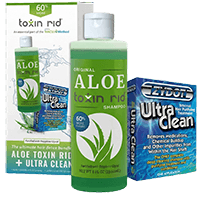
- Highly effective for drug tests
- Effective for heavy users
- Suitable for dreadlocks and dark hair
- Used in Macujo and Jerry G methods.
The landscape at a glance for seasoned readers
Collectors typically clip a small bundle right at the crown. That segment covers roughly three months of growth. Labs pre‑wash the hair, so smoke or dust on the outside doesn’t matter much; what’s inside the strand is what counts. Your effort should focus on the zone closest to your scalp, not the ends.
Routine shampoos mostly lift oils and dirt. They don’t reach deep into the hair shaft where drug metabolites bind. If a lab uses body hair, the look‑back can be longer because body hair grows slowly and is often older when sampled.
Power‑users chase OSATR because its solvent and chelating blend can penetrate better than standard clarifiers. Still, biology and usage history set the ceiling. There is no brand that can promise a pass.
The trick isn’t a single heroic wash. It’s repeated contact with dwell time so actives move through the cuticle into the cortex. That’s why many users plan ten or more applications when time allows.
When people panic, they stack harsh products. We’ve seen the fallout: red, irritated scalp at collection. It draws attention, and it hurts. Smart plans work hard and stay gentle enough to repeat.
We serve our Worcester County neighbors by sharing practical, responsible information. Use good judgment, read your employer’s policy, and consult qualified professionals for personal decisions.
Body hair can extend the look‑back. A scalp‑focused routine won’t touch older body hair. If a policy allows it, you can ask about sample site, but collectors may choose.
These are the phrases people use when comparing labels and avoiding counterfeits. Learn them so you know what you’re actually buying.
Why this detox shampoo is more than a strong cleaner
Drug metabolites don’t sit on the surface like dust; they lodge inside the hair shaft. Ordinary surfactants lift oil and grime but don’t dissolve those internal residues. Old Style Aloe Toxin Rid blends several types of chemistry to push deeper.
Propylene glycol is the quiet workhorse. It attracts water, softens the cuticle, and helps dissolve sticky residues that water alone can’t move. Pair that with EDTA, a chelator that binds metal ions and complexes that sometimes protect embedded material, and you get better access into the strand. Sodium thiosulfate helps neutralize reactive contaminants such as chlorine from tap water, which can interfere with consistent cleansing. Aloe vera soothes the scalp so you can tolerate repeated washes without getting raw.
Some bottles mention slow‑release or microsphere language. The takeaway is simple: dwell time matters. Ten to fifteen minutes per cycle gives the chemistry time to do its job. Compared with a basic clarifier, an old style aloe toxin rid clarifying shampoo is tuned for deeper, repeated, controlled exposure—enough to matter when a lab is looking inside, not just at the surface.
What Old Style means when you shop today
Old Style Aloe Toxin Rid traces back to the classic Nexxus Aloe Rid. If you search old style aloe toxin rid and nexxus aloe rid, you’ll see that lineage everywhere. For a history refresher, our overview of Nexxus Aloe Rid explains why people still ask for the “old formula.”
Today, reputable supply is generally described as old style aloe toxin rid shampoo from TestClear. Counterfeits exist. Pricing tends to be premium; if a listing is suspiciously cheap, walk away. Look for intact seals, batch or lot codes, and consistent branding. Avoid opened or decanted bottles and “sample sizes” that don’t match known packaging. Marketplaces can be a minefield with third‑party sellers and out‑of‑stock shuffles. Buying direct from the official seller reduces risk. Read recent old style aloe toxin rid shampoo reviews with skepticism and look for specifics, not vague hype.
- Highly effective for drug tests
- Effective for heavy users
- Suitable for dreadlocks and dark hair
- Used in Macujo and Jerry G methods.
What we know, what we do not, and why
Here’s the sober truth. Labs pre‑wash hair, then use chemical extraction—often organic solvents or buffered solutions—to pull metabolites from inside the strand. They screen with immunoassay and confirm with GC‑MS or LC‑MS per recognized standards used across the country. Detox shampoos can’t alter the lab’s internal chemistry. The aim is to reduce what’s inside before your sample is taken.
User reports suggest that multiple applications with defined dwell times help. Many aim for ten to fifteen washes, spaced across several days. That evidence is observational, not a randomized trial. External contamination—like secondhand smoke—gets washed in the lab, so cosmetic masking isn’t reliable. Heavier, long‑term use carries the longest look‑back. No brand can honestly promise a pass for all drugs. Abstaining during prep is prudent because continued intake can add fresh metabolites near the scalp.
Maryland employers and agencies may use hair testing in compliance programs. Policies vary. Learn your rules before acting. This information is for education only and does not replace professional consultation.
Inside the bottle and how parts work together
When people ask about old style aloe toxin rid shampoo ingredients, here’s how the common pieces fit:
Aloe vera calms inflammation and helps you tolerate repeat cycles. Propylene glycol acts as a humectant and solvent, boosting penetration and dissolving stubborn residues inside the hair. EDTA binds metals that can shield deposits. Sodium thiosulfate neutralizes reactive species like chlorine. Panthenol and light conditioners soften feel and reduce brittleness through many washes. Mild surfactants such as cocamidopropyl betaine cleanse without stripping everything. Preservatives keep the formula safe, while acids like citric acid balance pH so cuticles don’t stay blown open.
Some variants list menthol for a cool feel, fatty acids for slip, or UV filters. Check your label and adjust expectations. If you feel intense tingle or irritation, space your cycles or patch‑test.
Get set up so actives reach the right hair
Having everything in arm’s reach stops you from rushing. A squeeze‑tip bottle helps deliver product to the scalp.
Oil films slow penetration. A simple clarifier sets the stage so OSATR can reach the cuticle.
Do not waste product on lengths that won’t be sampled. Precision over volume wins.
Sections create even coverage. Work consistently from the part line outward, then around the crown.
Warmth helps. Hot water risks irritation and frizz without added benefit.
Film‑forming products create a barrier—exactly what you don’t want before testing.
Better to learn early than react badly on day one of an intensive plan.
The efficient wash routine that targets the test zone
Too much water dilutes the formula. Damp, not dripping, is ideal.
Work from skin outward. The strand near the scalp is your priority.
Use fingertips. Nails can abrade the skin and create irritation.
Set a timer. Dwell time is where the chemistry earns its keep.
Two cycles back‑to‑back can improve contact without adding harshness.
Consistency beats scrambling at the last minute.
Conditioners can leave films that undo your prep. Save them for recovery.
Coverage and patience prevent weak spots along the crown and temples.
These steps align with common old style aloe toxin rid shampoo directions and the most cited guidance for how to use old style aloe toxin rid shampoo effectively.
- Highly effective for drug tests
- Effective for heavy users
- Suitable for dreadlocks and dark hair
- Used in Macujo and Jerry G methods.
If the clock is tight, use this compressed plan
Front‑load contact time. Keep your focus on the scalp‑proximal two inches and do not waste passes on the ends.
Use it to strip residual oils right before collection. We break down how and when in our guide on whether Zydot Ultra Clean works.
Visible irritation can draw attention. Safety first, always.
Clean fabric prevents re‑depositing oils and environmental residue.
When time is scarce, does old style aloe rid work depends on your history. Frequent users face more risk than occasional users.
Use Zydot Ultra Clean the smart way
Pairing matters. Use Old Style Aloe Toxin Rid in the days leading up to collection. On test morning, run Zydot Ultra Clean exactly as directed—shampoo, then purifier, then conditioner—with the stated dwell times. Keep all steps centered on the first two inches from your scalp. Do not over‑stack products in a last‑minute frenzy; more isn’t better if it dries and irritates your skin. This pairing, often called old style aloe toxin rid and zydot ultra clean or old style aloe toxin rid shampoo and zydot ultra, is popular because Zydot removes late‑stage oils that can impede penetration and leaves hair manageable for collection.
About Macujo and Jerry G before you try them
These internet methods show up in advanced forums because people want a stronger push. Macujo typically combines vinegar, salicylic products, Old Style Aloe Toxin Rid, and a strong detergent in repeating cycles. Jerry G involves a bleach and dye sequence, baking‑soda paste, and OSATR. Both are harsh. Risks include chemical burns, color banding, breakage, and visible scalp irritation. If someone chooses to attempt them, protective gear, strict timing, and constant skin checks are non‑negotiable. If your hair is already processed with relaxers or bleach, think twice. These methods exist because aloe rid shampoo drug test prep is difficult—not because they’re safe for everyone.
Protect dyed or treated hair while staying effective
Processed hair is porous. It soaks up product quickly, which is good for penetration but risky for dryness. Use even, not extreme, amounts. Expect some lightening near the temples or crown if you already color; plan to touch up roots after the test, not before. Skip heavy oils and silicones that block actives. If strands feel fragile, alternate days or trim dwell slightly while adding an extra day to your plan. After collection, restore with a light protein mask and a simple, silicone‑free conditioner.
Make sure thick, long, or curly hair gets full contact
Dense textures often fail from missed spots, not weak product. Pre‑detangle gently to reduce breakage, then section into four to eight zones. A squeeze‑tip bottle delivers formula right to the scalp line. Massage with fingertips for a couple of minutes per section. Rinse section by section while lifting hair so water reaches the scalp. After rinsing, check coverage under bright light. If you see areas that look untouched near the crown, re‑apply and reset your timer.
Stay safe and handle irritation fast
If you see weeping, cracking, or burning, stop immediately and seek care if needed. For mild dryness, a tiny amount of light, silicone‑free conditioner after your final wash—not before the test—can help comfort. This is a pre‑test protocol, not a forever shampoo. Patch‑testing is smart. Sensitive‑skin users should talk with a dermatologist before running multi‑step regimens. Educational note: nothing here replaces professional advice.
Buy real product at a fair price and avoid fakes
Prefer the official seller commonly associated with Old Style Aloe Toxin Rid shampoo from TestClear. Plan a budget; premium pricing is normal. Red flags include decanted bottles, inconsistent labels, and missing safety seals. If it’s out of stock, some consider an old style aloe toxin rid shampoo substitute such as High Voltage Folli‑Clean for milder exposure, understanding it isn’t the same chemistry. Keep receipts and watch shipping timelines so you can complete multiple days of prep.
Who tends to benefit and where limits show up
People with one‑time or occasional exposure and a week or more to prepare tend to report better outcomes. Daily or heavy use raises risk even with many cycles because detection windows are long. If body hair ends up sampled, scalp routines won’t change that older growth. Using during prep adds new metabolites near the scalp and undercuts your work. Labs also vary in cutoffs. That’s why claims like does aloe rid work for all drugs should be read with caution. If stock is gone, an old style aloe toxin rid shampoo substitute might help light users, but expectations should be conservative.
Field note from local job support events
At county job fairs with veterans and commercial drivers, we’re often asked about hair timelines and safer preparation. We’ve seen attendees show up with angry, red scalps from last‑minute kitchen‑sink mixes. Several told us their clinicians advised them to pause and heal before any next steps. Consistent, moderate, well‑timed washing was better tolerated than extreme stacks. We urge everyone to read employer policies, ask HR clarifying questions, and avoid actions that violate testing rules. Our committee supports lawful, safe choices; this checklist informs, not endorses cheating.
Pick your path with this step chooser
If you have about a week and occasional use, plan two OSATR washes per day for the first couple of days, then one per day, with a final wash on the morning of collection. Consider Zydot on test day. If you have a few days and moderate use, aim for two OSATR washes per day with full dwell and add Zydot on test day. If you have only a day or two, front‑load two to three washes per day, sleep on a clean pillowcase, and run Zydot right before collection; skip harsh add‑ons. For thick or curly hair, section and use a squeeze‑tip applicator, extending dwell slightly per section. For color‑treated or relaxed hair, keep the OSATR steps but watch for dryness and avoid aggressive acid or detergent stacks. If budget is tight or stock is limited, substitutes can help mild cases, but technique and timing matter more than risky hacks. If body hair may be sampled, expect a longer look‑back regardless of scalp prep.
- Highly effective for drug tests
- Effective for heavy users
- Suitable for dreadlocks and dark hair
- Used in Macujo and Jerry G methods.
Morning steps that cut risk further
This resets the surface and lets the actives do one last pass inside the strand.
Do not improvise steps or shorten the dwell. Precision helps.
Films can undo your work. Keep hair neat and dry instead.
Clean, dry, and low‑friction is the goal.
You do not need to discuss products you used. Be courteous and focused.
Side by side comparison
| Product | Primary role | Key actives | When to use | Notes |
|---|---|---|---|---|
| Old Style Aloe Toxin Rid | Deep, repeated cleansing inside hair shaft | Propylene glycol, EDTA, aloe, mild surfactants | Days leading up to collection | Plan multiple applications with dwell time |
| Basic clarifying shampoo | Remove oils and surface residue | Strong surfactants | Pre‑clean step before OSATR | Helps actives contact the cuticle |
| Zydot Ultra Clean | Final surface reset and oil removal | Shampoo, purifier, conditioner system | Morning of collection | Use once as a finishing step |
A concise checklist you can tick line by line
FAQ
How soon before a test should I use it?
A practical window is several days, aiming for multiple applications with ten to fifteen minutes of dwell each time, plus a final wash on test day. Longer prep usually beats a last‑minute sprint.
Can it be used on colored or treated hair?
Many use it on colored or treated hair. Expect some dryness and possible lightening near the roots. Keep steps gentle, avoid harsh stacks, and plan color touch‑ups after testing.
Are there any side effects?
Dryness and irritation are the main risks from repeat washing. Patch‑test, watch your skin, and stop if reactions escalate. Seek care for any severe irritation. Educational guidance only.
What if I have thick or long hair?
Section the hair, use a squeeze‑tip applicator to reach the scalp line, and extend dwell slightly per section. Coverage is everything.
Can drug traces still be detected after using Old Style Aloe Toxin Rid?
Yes. No product guarantees total removal. Effectiveness depends on frequency of use, timing, hair type, and how precisely you follow directions.
Can this product damage my hair?
Overuse can cause dryness or brittleness, especially on processed hair. Correct technique, spacing, and post‑test conditioning reduce risk.
How does Old Style Aloe Toxin Rid work with Zydot Ultra Clean?
Use OSATR in the days before testing. On test day, Zydot acts as a finishing step to remove residual oils and leave a manageable finish without over‑stacking products.
Can I use this shampoo for daily usage?
It’s not a routine daily shampoo. It’s intended as a short‑term pre‑test protocol. Daily use can be drying.
Where should I buy Aloe Toxin Rid hair detox shampoo?
Buy from the official TestClear channel to avoid counterfeits. Expect premium pricing and verify seals and lot codes.
Does Old Style Aloe Toxin Rid shampoo work?
Many users report success when they time multiple applications with proper dwell and combine a clean test‑day finish. No brand can promise results for every case.
Educational disclaimer: This article shares general information based on product chemistry, lab practices, and user reports. It is not medical, legal, or employment advice. Consult qualified professionals for your specific situation, and follow all applicable laws and policies.